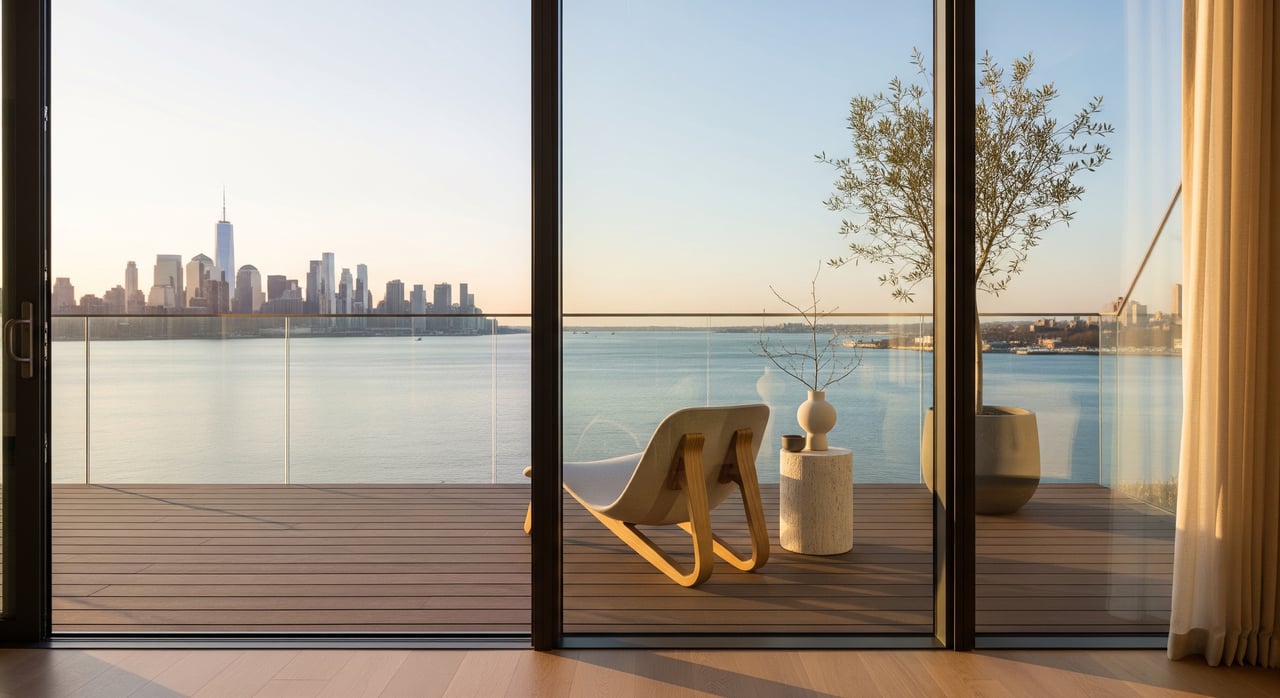
Picture your morning starting with river views, a jog along the promenade, or a quiet coffee on a balcony before a short hop into Midtown. If you are considering Queens’ waterfront, you are likely weighing lifestyle as much as commute time. In this guide, you will learn how each waterfront pocket in Queens actually lives day to day, plus the trade-offs and practical checks that matter before you buy or rent. Let’s dive in.
What waterfront living feels like in Queens
Queens’ shoreline is a mix of sleek high-rises, classic low-rise blocks, bayside marinas, and miles of beach. You can find parks and boardwalks, a serious restaurant scene, and multiple commute options. The vibe shifts fast from tower living in Long Island City to café-lined streets in Astoria, to suburban-coastal lanes in Bayside and Douglaston, to surfer-friendly Rockaway.
Across the waterfront, you get access to green space, seasonal pop-ups, water recreation, and options to reach Manhattan by subway, LIRR, or NYC Ferry. Your trade-offs are real: flood risk varies by block, airports and highways can affect noise, and pricing jumps in high-demand stretches.
Neighborhood snapshots
Long Island City and Hunters Point
- Parks and outdoor: Gantry Plaza State Park and Hunters Point South Park anchor the shoreline with lawns, piers, and skyline views.
- Dining and culture: A growing mix of restaurants, rooftops, breweries, and art spaces close to Manhattan.
- Housing style: Primarily high-rise condos and rentals with amenities, plus some converted industrial buildings.
- Transit and access: The 7, E, and M lines, an LIRR stop at Hunterspoint Avenue, and NYC Ferry piers. Many one-seat rides to Midtown can be under 20 minutes depending on your exact address and time.
- Best fit: You want modern living, amenities, and the shortest hop to Midtown.
- Resilience notes: Portions are low-lying. Confirm building flood mitigation, mechanicals above grade, and flood insurance requirements.
Astoria
- Parks and outdoor: Socrates Sculpture Park and Astoria Park offer waterfront walks, a running track, and a large pool.
- Dining and culture: A lively food scene with Greek and Mediterranean spots, cafés, and bars along neighborhood corridors.
- Housing style: Prewar co-ops, walk-ups, townhouses, and newer condos along the river.
- Transit and access: Subway service on the Astoria line and NYC Ferry access. Typical Midtown commutes range 15 to 30 minutes depending on station and destination.
- Best fit: You want a neighborhood feel with strong dining, parks, and direct Manhattan access.
- Resilience notes: Check low-lying streets along the river for flood exposure block by block.
Flushing and Flushing Bay
- Parks and outdoor: Flushing Meadows–Corona Park is a major green space nearby. The bay has promenades and birding spots in select areas.
- Dining and culture: A standout hub for diverse Asian cuisines and markets.
- Housing style: Dense mid-rise apartments, co-ops, and single-family homes inland.
- Transit and access: 7 train and LIRR service. Expect longer times to Midtown than LIC or Astoria, often 25 to 45 minutes or more based on destination.
- Best fit: You prioritize dining depth, retail options, and often better value per square foot.
- Resilience notes: Some bay-adjacent areas are flood-prone. Review elevation and any planned resiliency measures.
Bayside, Douglaston, and Whitestone
- Parks and outdoor: Little Neck Bay marinas, small shoreline parks, and nearby Alley Pond Park.
- Dining and culture: Neighborhood restaurants and seafood spots with a quieter evening rhythm.
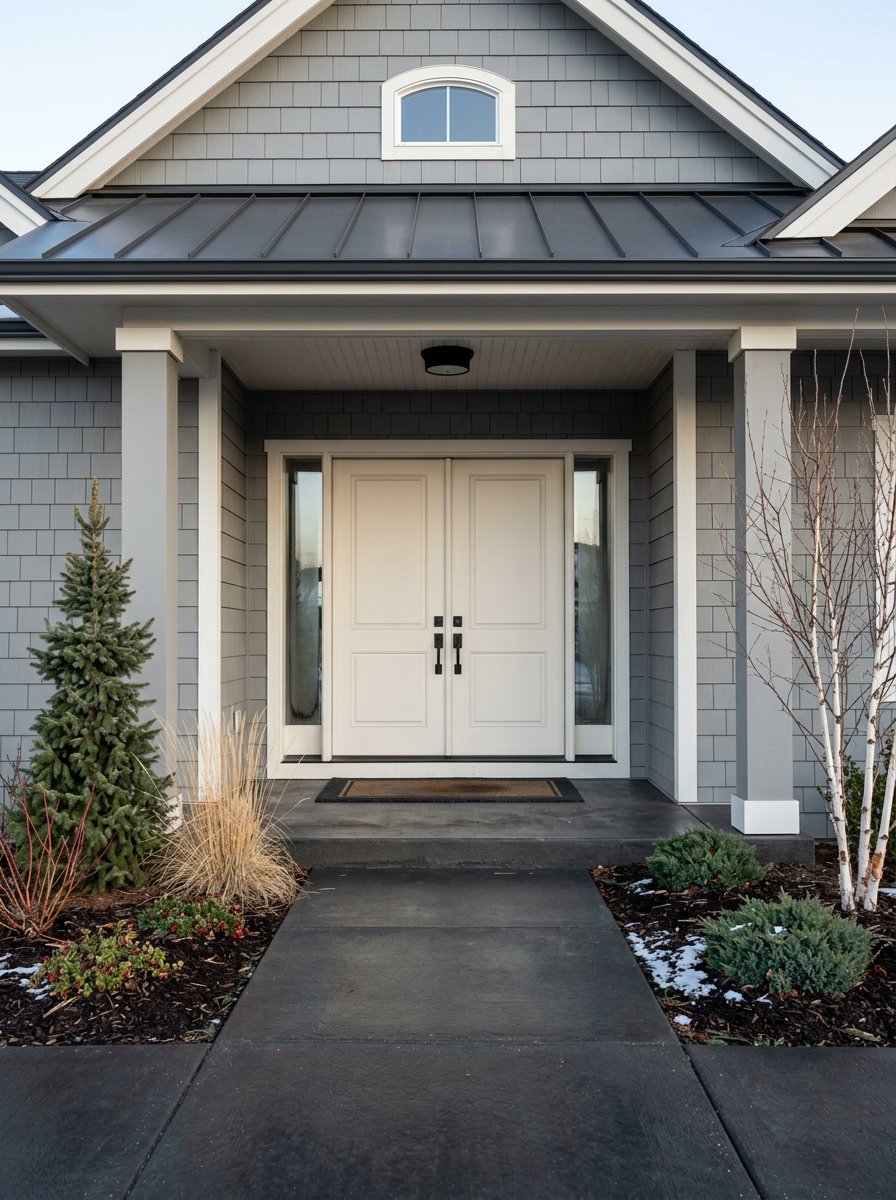
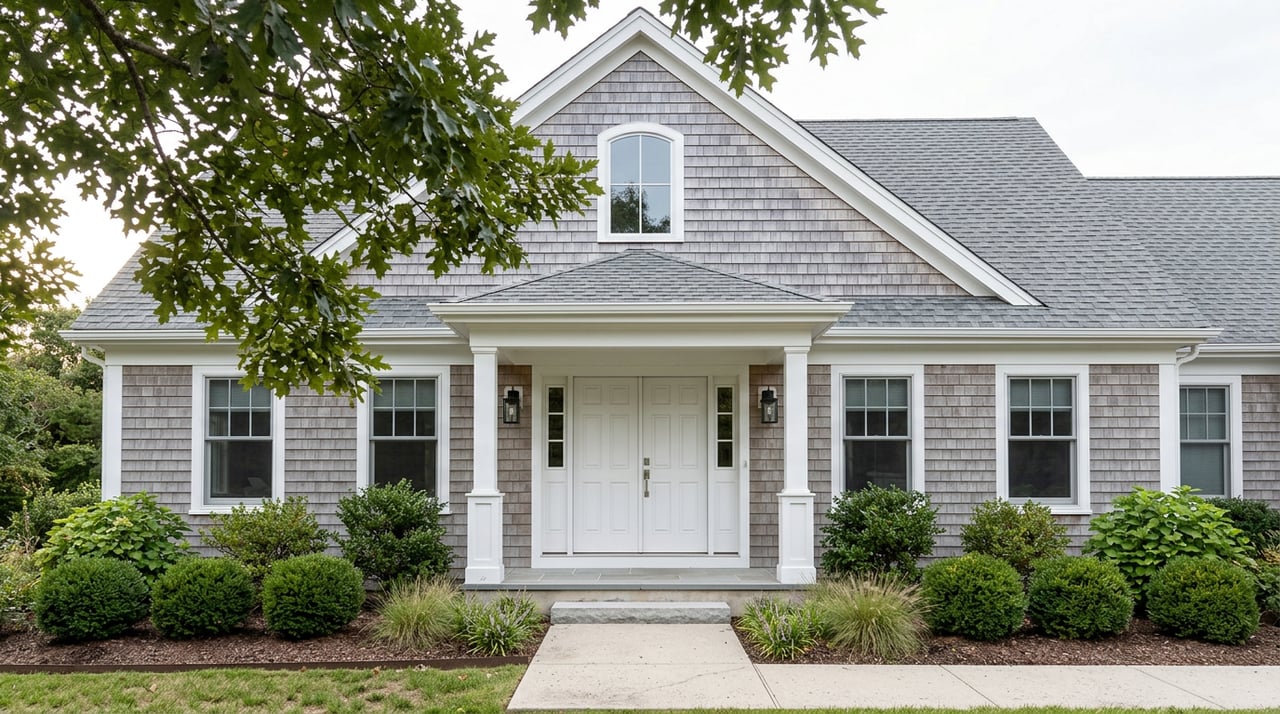
- Housing style: Predominantly single-family homes with yards, plus some co-op complexes.
- Transit and access: LIRR stations in Bayside and Douglaston provide service to Manhattan. Commutes often run 30 to 50 minutes depending on trains and transfers.
- Best fit: You value yard space, marinas, and a calm, suburban-coastal feel.
- Resilience notes: Localized tidal flooding can occur. Check FEMA maps for your block.
Rockaway Peninsula
- Parks and outdoor: Oceanfront beaches and the Rockaway Boardwalk support surfing, beach runs, and seaside parks.
- Dining and culture: Seasonal beach bars and a growing year-round food scene.
- Housing style: Single-family homes, bungalows, small mid-rise buildings, and select new condos near key hubs.
- Transit and access: A train service to Manhattan with transfers, plus a Rockaway ferry route. Expect longer daily commutes than LIC and Astoria, suitable for occasional Manhattan trips.
- Best fit: You want a beach-first lifestyle and open space.
- Resilience notes: A history of coastal storm impacts. Look for elevated systems, dune and boardwalk improvements, and flood coverage.
Commutes and daily logistics
Your daily timeline hinges on door-to-door travel, not just the nearest line. LIC and Astoria often deliver the shortest rides into Midtown. The ferry and LIRR can be more comfortable, though frequency and schedules vary by time of day and season. In Bayside and Douglaston, LIRR is your mainline to Manhattan. In Rockaway, the A train and ferry offer choice, but you should plan for a longer daily commute window.
Weekend subway work can change connections. Ferry schedules can shift seasonally. If you will travel during off-peak hours, check options and frequency ahead of time.
Trade-offs to weigh
- Flood risk and insurance: Many waterfront blocks fall within FEMA flood zones. Confirm Base Flood Elevation, building elevation, and whether critical systems are elevated. If a mortgage is involved, flood insurance may be required. Premiums vary by zone and mitigation.
- Noise and seasonal patterns: LaGuardia flight paths can affect northern waterfront pockets. Highways, ferry activity, and beach traffic can add noise. Parks and beaches are liveliest on summer weekends.
- Cost and availability: Waterfront access drives demand. LIC and select Astoria blocks often command higher pricing. Parts of Rockaway can be more affordable or seasonal.
- Parking and car ownership: LIC is transit-forward with limited parking and higher garage fees. Northern bays and Rockaway offer more surface parking and driveability.
- Resale and liquidity: High-demand waterfront towers can resell faster but still follow market cycles. Co-ops may lengthen timelines due to board approvals.
What to verify before you commit
Use this quick checklist to focus your search:
- Commute modeling: Time your door-to-desk route at peak and off-peak. Compare subway, LIRR, ferry, and express bus options.
- Flood profile: Review FEMA flood maps, building elevation, mechanical locations, flood barriers, and any post-storm repairs.
- Insurance and fees: Price out flood insurance. Review HOA or co-op fees, reserves, and any planned assessments.
- Ownership structure: Understand condo vs co-op rules, sublet policies, pet policies, and resale constraints.
- Building condition: Ask about recent capital projects, waterproofing, window upgrades, and soundproofing.
- Noise and crowds: Visit at different times. Ask about flight paths, ferry horns, and peak season park or beach traffic.
- Parking and mobility: Confirm garage or lot availability, street parking rules, and car-share options.
- Schools and services: Map zoned public schools and nearby childcare or after-school programs if relevant to your needs.
Who thrives where
Match your priorities to the right shoreline pocket:
- Shortest Midtown commute, modern amenities: Long Island City and Hunters Point.
- Neighborhood feel plus dining and parks: Astoria.
- Culinary depth and broader retail options: Flushing and Flushing Bay area.
- Yards, marinas, and a quieter rhythm: Bayside, Douglaston, and Whitestone.
- Beach-first lifestyle and outdoor recreation: Rockaway Peninsula.
Ready to explore waterfront options?
If Queens’ shoreline is calling, you deserve a process that protects your interests and respects your time. A local, concierge approach can confirm flood profiles, model your actual commute, and surface the right mix of buildings, amenities, and fees. When you want trusted guidance and access to private opportunities, connect with Lindsey Bergeron to plan your move with confidence.
FAQs
How long are commutes from Queens waterfront neighborhoods to Midtown?
- LIC often reaches parts of Midtown in under 20 minutes. Astoria typically runs 15 to 30 minutes. Flushing and bayside areas commonly range 25 to 50 minutes depending on mode and transfers. Rockaway is longer, with the A train and ferry as primary options.
What flood risks should I check for a waterfront condo or home?
- Review FEMA flood maps, the building’s elevation, whether mechanicals are above grade, and any floodproofing like flood gates or raised lobbies. Confirm if flood insurance is required and the estimated premium.
Are beaches and parks crowded year-round?
- Activity is highly seasonal. Rockaway beaches and waterfront parks like Gantry Plaza are busiest on warm weekends. Weekday and off-season periods are typically calmer.
What types of homes are common along the Queens waterfront?
- LIC features high-rise condos and rentals with amenities. Astoria offers prewar co-ops, walk-ups, and newer condos. Flushing mixes mid-rise apartments with nearby single-family blocks. Bayside and Douglaston lean single-family. Rockaway spans bungalows, small buildings, and select new condos.
How does parking compare across waterfront neighborhoods?
- Parking is tight in LIC and pricier in garages. Astoria varies by block. Bayside, Douglaston, and parts of Rockaway have more surface parking and easier car ownership.
What outdoor options will I have for running, biking, or the water?
- Gantry Plaza and Hunters Point South provide riverfront paths. Astoria Park has a track and waterfront walkways. Rockaway offers oceanfront boardwalk miles for running and biking, plus surfing and beach access. Northern bays include marinas and calm shoreline parks.
What future changes could affect these areas?
- Track local rezonings, new developments, ferry or rail service updates, and resiliency projects. These can influence commute options, pricing, and neighborhood rhythms.